The Netherlands currently has three official languages: Dutch, Fries (only spoken in the province of Friesland), and Dutch Sign Language. Dutch is by far the most common used.
Do I have to learn Dutch?
It is not expected by the majority of the population for foreigners to speak Dutch, and it is unlikely that you will have to deal with someone who does not speak English at all. If you do not need a work permit, you can also easily get a minimum wage job without speaking any Dutch. Despite all this, learning at least the basics will help you get a lot further in your social life, so get Duolingo running or take a look at our guide below. If you are planning on staying in the Netherlands after your studies, speaking Dutch will be a great asset and is a huge factor when trying to find a good job. If you need to integrate or plan on applying for citizenship, you will have to take a 4-part language test at the B1-level.
Is Dutch difficult?
Dutch is a Germanic language, just like German and English. If you are a German speaker, you will understand a lot and you can get to a good Dutch level within a year. If you don’t know German, don’t be discouraged, but it will be some work.
Do I have to wait until I’m in the Netherlands to start learning Dutch?
No, you do not! In fact, we encourage you to get started before you arrive to make navigating the country a bit easier. Here are some tips on learning a new language from abroad:
- If financially possible, take online classes. Suggestions are listed below.
- If you have Dutch friends, ask them to help you practice writing and speaking.
- Listen to podcasts (suggestions are listed below) and watch the news.
- Read articles and switch all your devices and simple games like Minecraft into Dutch.
- Use apps like Duolingo (free with ads), Falou (paid), LingoClip (3 free songs per day), SpreekTour (free), etc.
Dutch phrases
We have collected a few simple, helpful phrases and words that you will encounter during your everyday life.
| Hallo / Hoi / Hey | Hello / Hey |
| Ja | Yes |
| Nee | No |
| Misschien | Maybe |
| Hoe gaat het? | How are you? |
| Goed | Good |
| Slecht | Bad |
| Pin(nen) | To pay by card |
| Contant | Cash money |
| Bon(netje) | Receipt |
| Mijn naam is / Ik ben / Ik heet | My name is / I am |
| Ik studeer _____ | I study _____ |
| Ik kom uit _____ | I am from _____ |
| Waar is ____? | Where is _____? |
| Universiteit | University |
| Hogeschool | University of Applied Sciences |
| Dankjewel or Dank u wel / Dankje / Bedankt | Thank you (informal and formal) / Thanks / Thank you (formal) |
| Graag gedaan | You are welcome |
| Tot ziens / Doei | Good bye |
| De vrouw eet een appel | The woman eats an apple (Duolingo) |
Here are some recommended resources to help you further on your Dutch-learning journey. Also, most universities offer free Dutch courses (online or in-person) for international students!
WEBSITES
- https://www.learndutch.org/ Free vocab videos for beginners + free soap opera series for all levels. Also has paid grammar videos, online Zoom courses and intensive in-person courses in Drenthe.
- Netherlands is the invite code for a Dutch-learning discord. They have free lessons for beginners, channels for different levels, and do fun stuff like games and word of the day with native speakers as moderators. There are also threads for basically everything, from native languages to cats to tv series.
- https://quizlet.com/user/kirsten_de_gelder/folders/blc-lesboek/sets vocab quizlets for all levels. The higher levels also have idioms!
- https://www.dutchgrammar.com/en/?n=Main.HomePage For grammar explanations whenever Duolingo fails you (trust us, some lessons make absolutely no sense).
- https://thedutchonlineacademy.com/en/dutch-grammar has free grammar lessons with quizzes at A1-B1 levels, free podcasts at A2-B1 levels, and paid small group online courses at all levels.
- https://www.tudelft.nl/en/tpm/itav/education/dutch-courses/dutch-courses/beginners-courses/online-beginners-course TU Delft offers a free 6-week online introduction course (you don’t have to be a student to sign up).
- https://nt2taalmenu.nl/ A free resource for preparing for A2, B1, and B2 Dutch exams. The website is in both English and Dutch.
PODCASTS (A2-B1 level)
- Robin’s a native Dutch speaker who shares stories and trivia about Dutch culture to foreigners. He speaks very clearly, slowly, and explains hard words.
2. Once you’re comfortable listening to Robin, try out this podcast. Martijn is a native Dutch speaker who teaches in Japan. He speaks a little more naturally than Robin (natural pauses, more rhythm, occasional errors, bit faster).
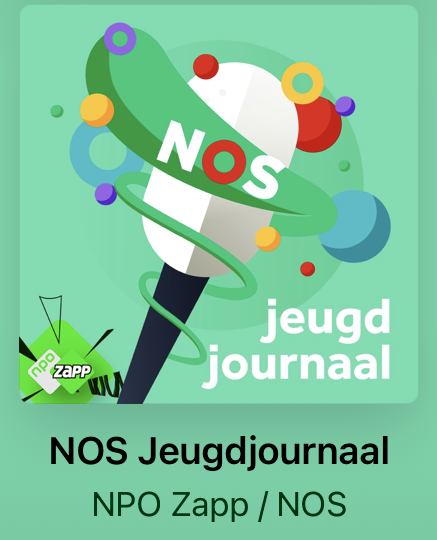
3. Then this one. It’s a news channel for Dutch children and teens, so the vocabulary and grammar is still relatively simple and they don’t speak super quickly either. Sometimes the recordings from actual kids are hard to understand, but it’s still good practice.
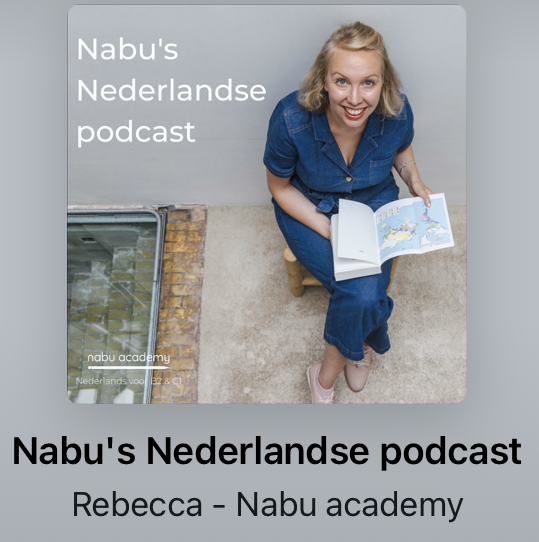
For advice on learning Dutch itself (not grammar lessons, but more like study skills), this is also a good one. Nabu talks a bit quiet though, so be sure to have good headphones.
Leave a Reply